The Top 17 Fabrics, Ranked by Hand-Feel
A comprehensive tactile assessment of seventeen common and uncommon textiles, evaluated under controlled conditions (ambient temperature 21°C, humidity 45%, hands freshly washed with unscented soap, dried for exactly ninety seconds). Each fabric was handled for a minimum of thirty seconds before scoring. Rankings are final and not open to appeal.
01. Heavyweight Duck Canvas
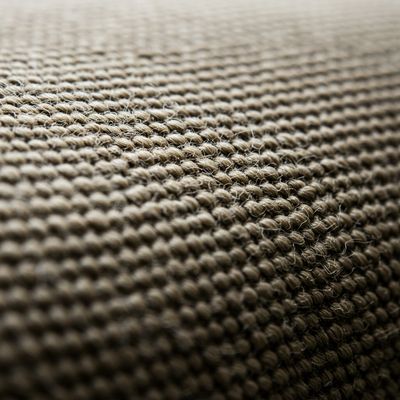
Unyielding. Structurally aggressive. Requires breaking in over a period of months, bleeding pigment onto lesser materials. The hand-feel is abrasive yet reassuringly permanent — a textile that defies wear and instead archives it. At 18oz, it functions less as a fabric and more as a building material that has reluctantly agreed to be sewn. The initial touch is confrontational, almost rude. By month six, it softens into something approaching respect. The creases it develops are not wrinkles but geological features — evidence of a life lived in proximity to this cloth.
Tactile Profile: Dry, rigid, grain-forward. Audible resistance when folded.
02. Raw Loom-State Selvedge Denim
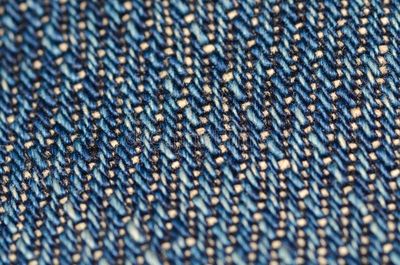
Rigid, untreated, and initially hostile to human anatomy. The texture is akin to fine sandpaper constructed by someone who takes sandpaper personally. Its rank is elevated due to the ritualistic nature of its lifecycle — it demands submission before it offers comfort. The selvedge edge, visible only when cuffed, serves no functional purpose whatsoever but provides an unreasonable amount of satisfaction. After six months of daily wear without washing (a practice that is exactly as antisocial as it sounds), the fabric maps itself to the wearer's body like a plaster cast that has developed opinions.
Tactile Profile: Stiff, textured, slightly waxy. Produces a distinctive crunch sound when new.
03. Waxed Cotton
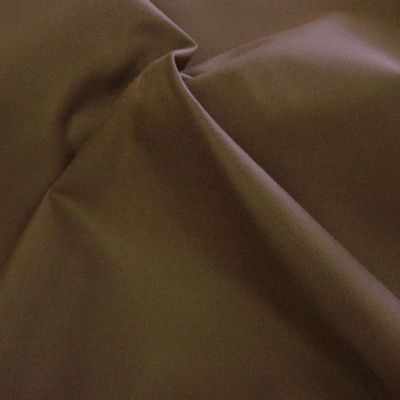
A surface that repels inquiry. The hand encounters a film of resistance before reaching the cloth beneath. Temperature-sensitive: cold wax feels institutional, warm wax feels conspiratorial. The smell is half the experience — a petroleum-adjacent musk that announces your presence in enclosed spaces and signals to others that you are a person who has made Choices about outerwear. Reproofing is performed annually in a ritual that involves a tin of wax, a hair dryer, and a level of domestic disruption normally associated with minor renovations.
Tactile Profile: Slick, tacky at warm temperatures, stiff at cold. Slightly oily residue on fingertips.
04. Belgian Linen
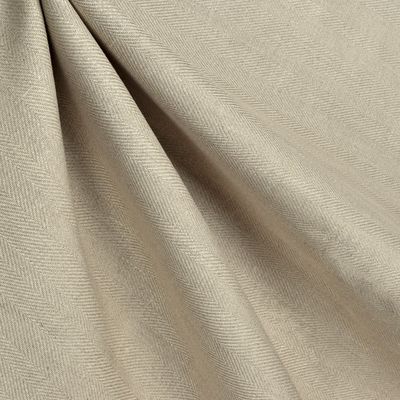
Linen exists in a state of perpetual calculated dishevelment. It wrinkles if you look at it, wrinkles if you don't, and wrinkles especially if you attempt to iron it, which it treats as a personal affront. The hand-feel is initially cool and crisp, degrading within forty minutes of wear into something resembling a paper bag that has been through a gentle emotional crisis. But here is the secret that linen people know and refuse to share: it improves with every wash. By the fifteenth cycle it achieves a softness that cotton can only dream about, a drape that silk would find threatening.
Tactile Profile: Cool, dry, textured weave. Becomes buttery over time. Wrinkles aggressively.
05. Merino Wool
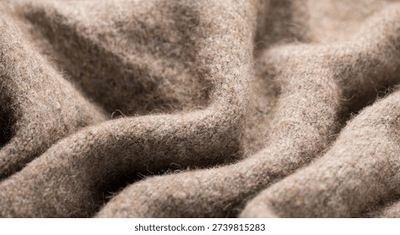
The diplomatic fabric. Merino wool manages to be warm without being hot, soft without being flimsy, and moisture-wicking without making you feel like you're wearing athletic equipment to a dinner party. It is the Switzerland of textiles — neutral, competent, and quietly superior. The micron count matters enormously. Below 17.5 microns, merino is indistinguishable from cashmere to all but the most committed fabric obsessives (a group to which the author regrettably belongs). Above 22 microns, it becomes regular wool and should be treated with the suspicion that regular wool deserves.
Tactile Profile: Soft, springy, slight natural lanolin feel. No itch at fine gauges.
06. Habotai Silk

The most dishonest fabric in existence. Silk promises luxury and delivers anxiety. Every surface is a potential snag. Every meal is a potential catastrophe. The hand-feel is admittedly transcendent — a cool, frictionless glide that no synthetic has successfully replicated despite decades of trying. But the maintenance demands are tyrannical. Silk must be hand-washed in water that is precisely room temperature, dried flat on a surface that has been blessed by someone who understands textiles, and stored in conditions that would satisfy a museum conservator.
Tactile Profile: Liquid-smooth, cool to touch, zero friction. Almost weightless.
07. Wide-Wale Corduroy
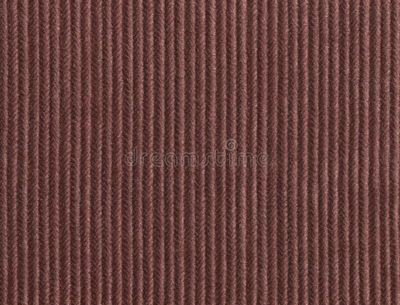
Corduroy is a fabric that has accepted its own ridiculousness and leaned into it. The wales — those parallel ridges that give it texture — exist solely to be run through with fingertips in moments of idle contemplation. This is not a bug; it is the entire point. Wide-wale (8 wales per inch or fewer) is superior to fine-wale in every respect, providing a more satisfying tactile experience and a sound — that distinctive corduroy whisper when thighs pass each other — that serves as an audible announcement that you have arrived somewhere and are now walking.
Tactile Profile: Ridged, plush, directional. Produces sound during movement. Deeply satisfying to stroke.
08. Brushed Cotton Flannel
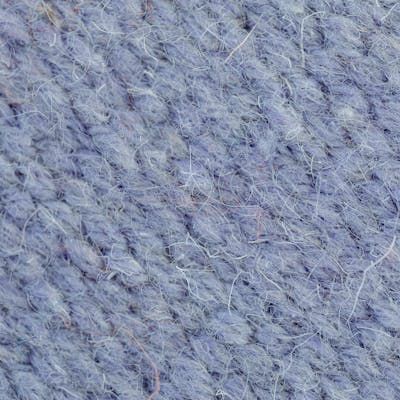
The fabric equivalent of a warm drink on a cold day — comforting to the point of being slightly embarrassing to admit you enjoy this much. Brushed flannel achieves its softness through a mechanical process that raises tiny fibers from the surface, creating a nap that feels like petting a very cooperative cloud. The Portuguese mills do it best, using a brushing technique that has been refined over centuries to produce a fabric so soft it borders on the medicinal. Flannel is not fashionable. Flannel does not care. Flannel is too busy being the most comfortable thing in your closet.
Tactile Profile: Fuzzy, warm, low-friction surface. Pill-prone but forgivable.
09. Vegetable-Tanned Leather
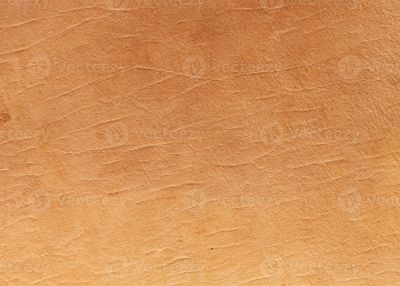
Technically not a fabric, but its exclusion from a tactile ranking would constitute academic malpractice. Vegetable-tanned leather — as opposed to the chrome-tanned variety that constitutes 90% of all leather goods — develops a patina over time that is essentially a visual diary of everywhere the leather has been. The hand-feel is firm, smooth, and slightly warm to the touch. New veg-tan smells like a library that has been relocated to a tannery. After conditioning with a neutral balm, it achieves a suppleness that chrome tan can imitate but never equal.
Tactile Profile: Firm, warm, develops grain character. Smooth but not slick.
10. Mongolian Cashmere
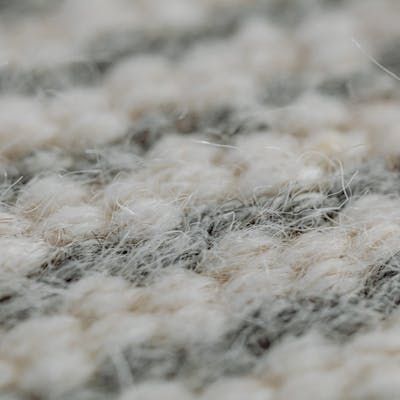
Cashmere occupies a position in the textile hierarchy similar to that of truffles in the food world: everyone agrees it is exceptional, no one can fully explain why it costs this much, and a significant percentage of what is sold under the name is fraudulent. Genuine Mongolian cashmere — sourced from goats who have the good sense to grow an undercoat capable of surviving minus forty winters — is impossibly soft. The fiber diameter (14–16 microns) is roughly one-third that of human hair. Touching it produces an involuntary closing of the eyes that the author has observed in every test subject without exception.
Tactile Profile: Cloud-soft, weightless warmth. Almost frictionless. Induces involuntary relaxation.
11. French Terry
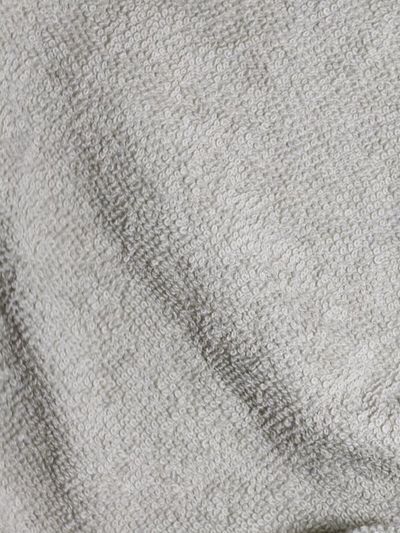
The inside of a well-made sweatshirt. French terry is distinguished from regular terry cloth by the fact that its loops appear only on one side, leaving the exterior smooth and the interior resembling a miniature carpet. The hand-feel of the loop side is addictive in a way that is difficult to articulate to people who have not experienced it — a soft, slightly springy texture that the fingers want to explore repeatedly. It is the fabric equivalent of bubble wrap: technically purposeful, primarily recreational.
Tactile Profile: Looped interior, smooth exterior. Springy, warm, absorbent.
12. Chambray
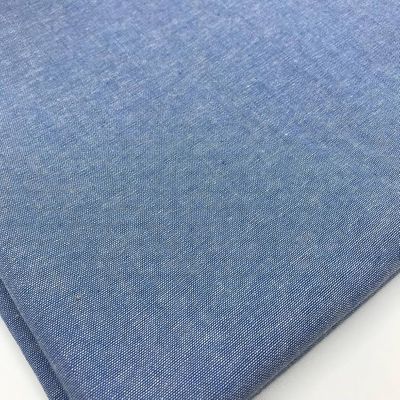
Often confused with denim by people who should know better, chambray is a plain-weave fabric that uses a colored warp and white weft to create a surface that appears solid from a distance but reveals its construction up close. The hand-feel is lighter than denim, smoother than oxford cloth, and more interesting than broadcloth. It occupies the middle ground of textiles — never the most exciting option, never the worst, always appropriate. Chambray is the reliable friend who shows up on time and doesn't make the evening about themselves.
Tactile Profile: Smooth, light, slightly crisp. Softens predictably with washing.
13. Silk Velvet

The most aggressively luxurious fabric on this list, and the most impractical by a considerable margin. Silk velvet has a pile so dense and uniform that touching it feels less like contact with a textile and more like an encounter with a force field made of tiny, cooperative fibers. The directional nap means the color shifts depending on the angle of observation, which is either a feature or a defect depending on your tolerance for fabrics that refuse to be the same color twice. Crushes if you sit on it. Marks if you breathe on it. Worth it anyway.
Tactile Profile: Dense pile, directional, temperature-neutral. Changes color under touch.
14. Seersucker
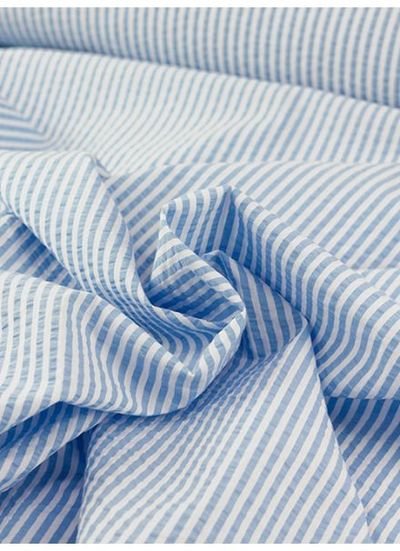
A fabric that has been deliberately made to look rumpled, which is either a stroke of genius or an act of surrender, depending on your philosophical orientation. The puckered texture is achieved through differential tension in the weaving process, creating alternating smooth and crinkled stripes that sit away from the skin and allow air circulation. The hand-feel is unusual — simultaneously rough and light, like touching a topographic map of a very small mountain range. Seersucker does not wrinkle because it is already wrinkled. This is its only defense, and it is impenetrable.
Tactile Profile: Puckered, light, textured stripes. Maximum airflow. Cannot be further wrinkled.
15. Harris Tweed
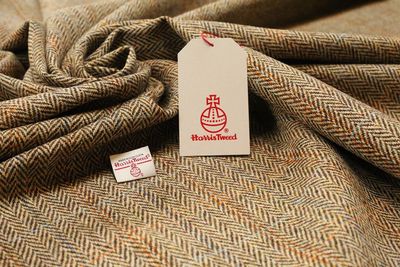
Hand-woven in the Outer Hebrides by people who have been doing so for long enough that the practice has acquired the legal protections normally reserved for geographical food designations. Harris Tweed is rough, heavy, and smells faintly of the moorland from which its dyes are sourced. The hand-feel is agricultural — this is a fabric that was designed to keep Scottish farmers warm in horizontal rain, not to be pleasant against bare skin. Worn with an appropriate underlayer, it provides a sensation of indestructibility that is both physical and psychological.
Tactile Profile: Coarse, heavy, aromatic. Scratchy against skin. Indestructible.
16. Ripstop Nylon
The only synthetic fabric to make this list, and it knows it doesn't belong here, which is part of its charm. Ripstop's grid of reinforcing threads creates a texture that is visible as a subtle check pattern and tangible as a series of tiny raised intersections. The hand-feel is primarily defined by what it is not: not soft, not warm, not natural, not interesting. What it is, however, is completely indifferent to weather, abrasion, and the passage of time. It is the fabric equivalent of a cockroach — not beloved, but undeniably effective. Packable to roughly the volume of your fist.
Tactile Profile: Smooth, cool, slightly papery. Audible rustle. Grid texture detectable by fingertip.
17. Burlap (Hessian)
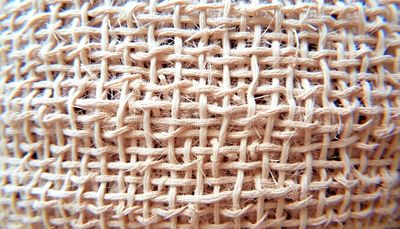
Ranked last not because it is the worst fabric — there are worse — but because touching it constitutes a form of mild self-harm. The weave is coarse enough to be visible from across a room. The fibers shed constantly, leaving a trail of organic debris that functions as a forensic record of everywhere the burlap has been. It smells like a barn that has been repurposed as a coffee storage facility. And yet: burlap has a honesty that no other fabric on this list can claim. It is exactly what it appears to be, does exactly what it promises, and makes no attempt whatsoever to be anything other than a rough cloth made from jute. In a world of performance fabrics and engineered textiles, there is something admirable about that.
Tactile Profile: Extremely coarse, stiff, sheds fiber. Smells of earth. Honest.